THE CASES
Real people. Real conflicts. Real choices.
Every case begins with a choice.
Across San Diego's history, people confronted rules, institutions, customs, and assumptions that excluded others. Some challenged those systems in court. Others organized, marched, wrote, taught, protested, or simply refused to accept the boundaries placed around them.
These stories are not isolated moments. Together, they reveal the different ways ordinary people—and sometimes their allies—could challenge exclusion and expand the promise of American democracy.
CLUSTER A
Institutions and Who They Included
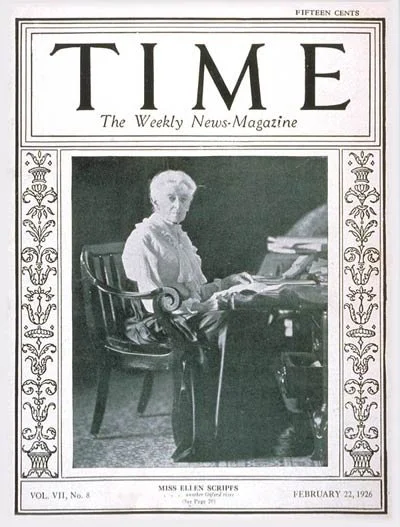
Ellen Browning Scripps
Journalism, Education, philanthropy, and the power to shape a city's future
Ellen Browning Scripps used wealth, journalism, and philanthropy to expand educational opportunity in San Diego—and left a complicated legacy about who gets to shape a city's future.
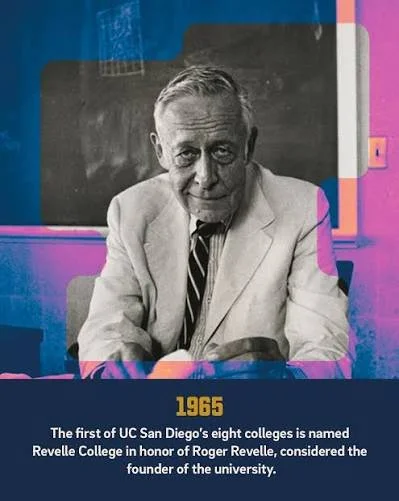
Roger Revelle
USING INSTITUTIONAL PRESTIGE AND POWER TO CHALLENGE RACIAL EXCLUSION IN LA JOLLA.
Roger Revelle used institutional power, scientific prestige, and his position at UC San Diego to challenge racial restrictions in La Jolla and help open doors that had long been closed.
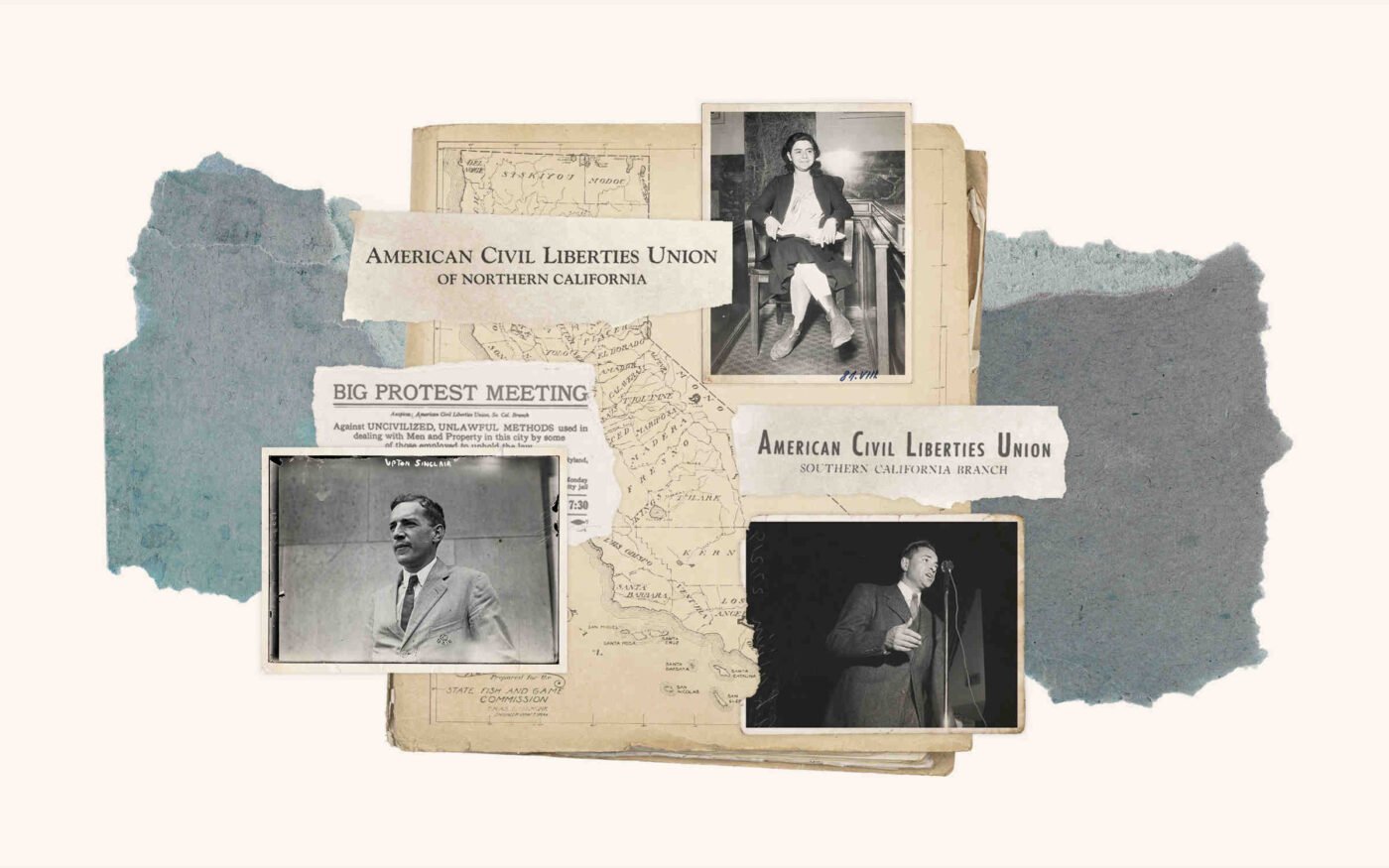
Helen Marston Beardsley and the aclu
Building civil-rights infrastructure to challenge exclusion, defend free expression, and confront the Ku Klux Klan.
While advocating for immigrant rights in East County Helen Marston was assaulted by suspected members of the Klu Klux Klan. She realized that she needed to help build the institutional infrastructure of civil rights in San Diego, using the ACLU and civic engagement to challenge exclusion and defend democratic freedoms.
CLUSTER B
Legal Clarity vs. Behavioral and Administrative Change
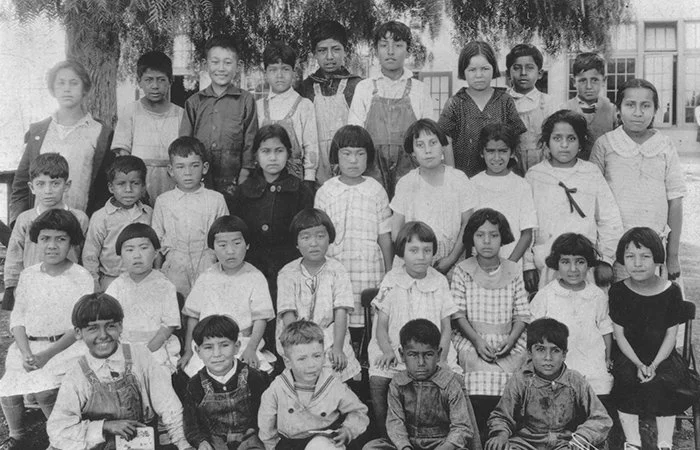
LEMON GROVE SCHOOL
When a community mobilizes to get a court ruling that changes the law—but institutions and communities still have to change.
The Lemon Grove school board tried to segregate Mexican American children; families challenged the decision in court, producing an early landmark in the struggle against school segregation.

KIMBROUGH RESTAURANT DESEGREGATION
Using organized pressure and public protest to challenge exclusion in everyday spaces.
Jack Kimbrough and the NAACP helped challenge racial exclusion in San Diego restaurants and public spaces, demonstrating how organized pressure could force change beyond the courtroom.
CLUSTER C
Who gets to belong — and who has the power to decide?
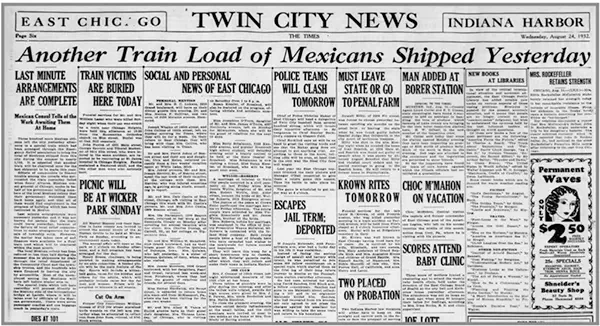
LUISA MORENO
The boomerang of repatriation: exclusion, labor demand, and the Bracero era.
Luisa Moreno organized across racial and national boundaries, challenging the exclusion of Mexican workers while the United States moved from mass repatriation toward renewed demand for Mexican labor.
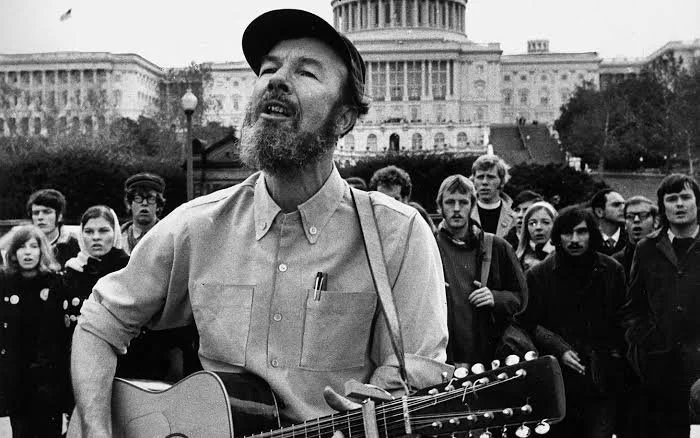
Pete Seeger v San Diego Unified School District
Freedom of association and freedom of expression: belonging challenged in a high-school auditorium
When San Diego Unified challenged a high-school concert featuring Pete Seeger, the dispute raised a larger question: who gets to belong, speak, and assemble in a public school?
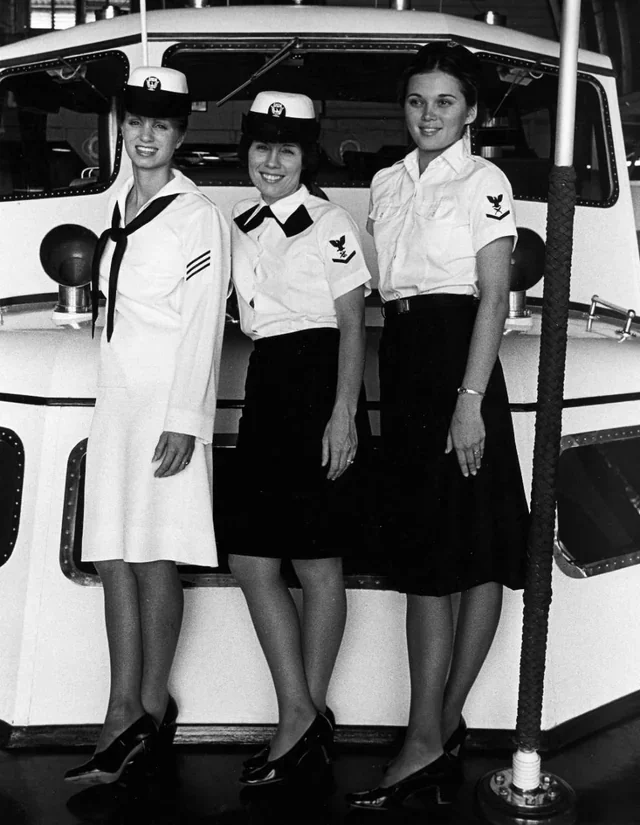
LGBTQ SERVICE MEMBERS CHALLENGE
Challenging the boundaries of military service, identity, and belonging.
LGBTQ service members challenged rules and practices that treated sexual identity as incompatible with military service, forcing questions of equality, citizenship, and belonging into public view.
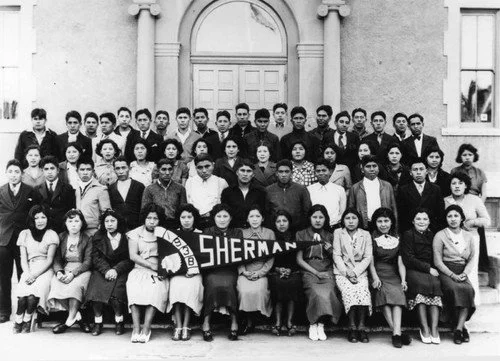
KUMEYAAY RESISTANCE AND THE TRANSFORMATION OF THE SHERMAN INDIAN SCHOOL
Indigenous resistance, identity, and the transformation of an institution built to assimilate Native students.
Kumeyaay students, families, and communities resisted an institution designed to erase Indigenous identity, helping transform the meaning and experience of the Sherman Indian School.
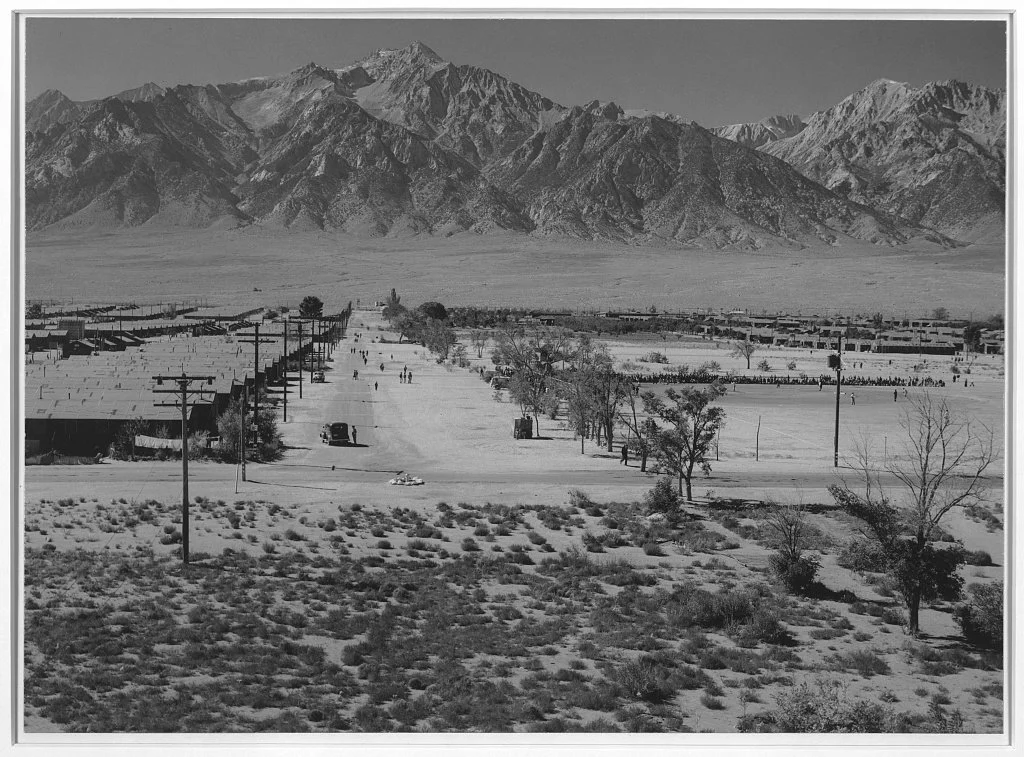
Solidarity with Japanese HELD IN Internment camps: Ralph Lazo and Clara Breed
Solidarity and allyship: changing the experience of exclusion
Ralph Lazo and Clara Breed used friendship, advocacy, and personal solidarity to support Japanese Americans during incarceration, changing the experience of exclusion even when they could not change the system itself.